Ismail Kimji The MicroInfuser in sensory detail The deciding factor Four reader profiles Comparison: cream vs microinfusion vs AquaGold Six numbers that govern the protocol Weekly cycle, Monday through Sunday The recommendation Week by week, weeks 1 through 12 Five-question pre-purchase audit When to skip entirely When in-office is the right call What a real cycle feels like Three mistakes, three myths The case against the recommendation What would change this view FAQ Author bio Editorial disclosure Updates log References The Question No GHK-Cu Marketing Page Will Answer Here is the question that does not get asked on any copper peptide product page: if GHK-Cu has been studied continuously since 1973, has more than 250 peer-reviewed papers behind it, has demonstrated collagen stimulation at picomolar concentrations, and has been incorporated into thousands of skincare products for two decades, why do most people who buy a copper peptide serum see nothing happen at all

Catagen Phase (Transition Phase) Lasting around 2 to 3 weeks, this phase sees hair growth stop as the follicle retracts and detaches from the dermal papilla, preparing to enter the telogen phase
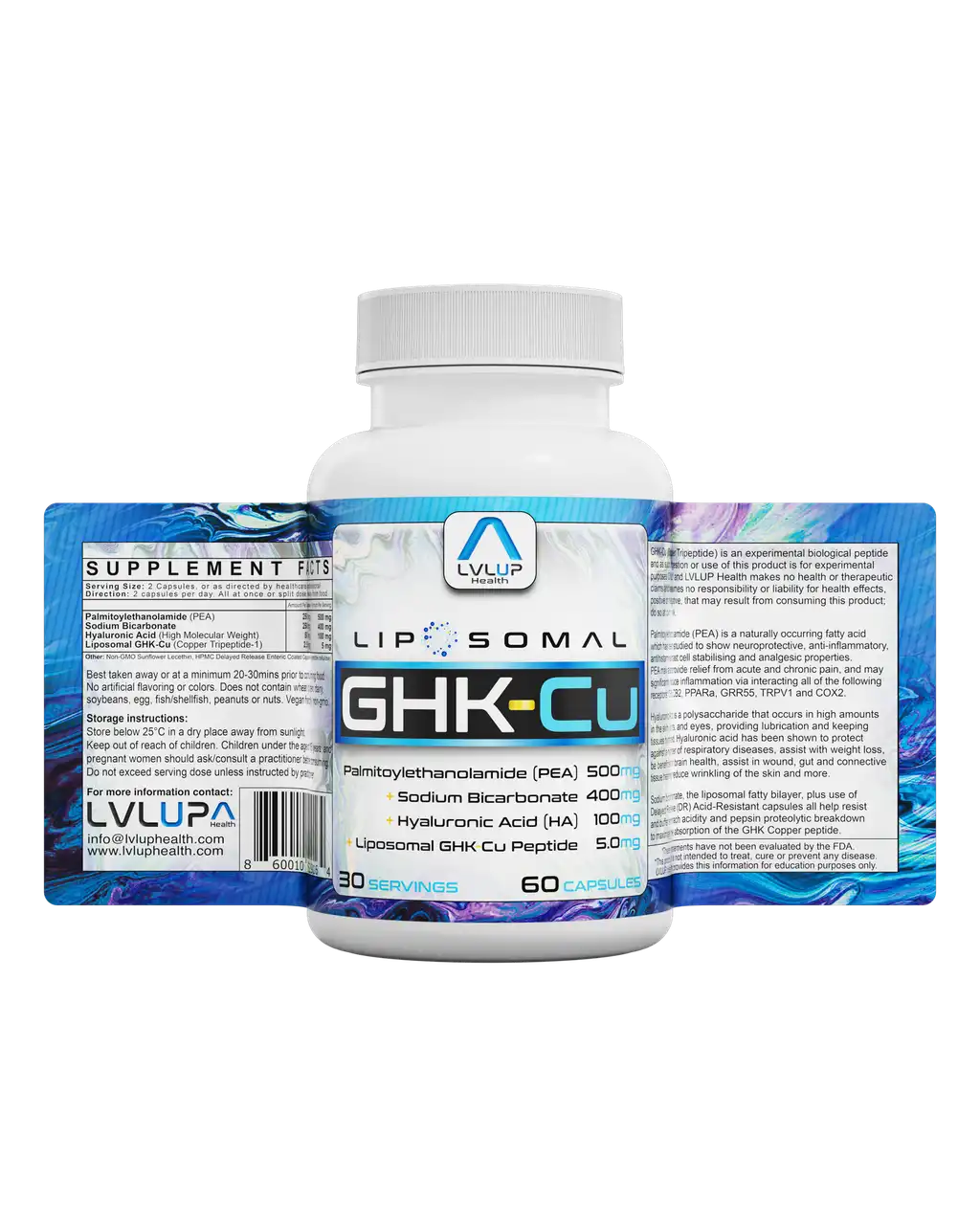
Higher-dose or higher-frequency research protocols may increase observations of: Skin-related sensitivity Local irritation Copper-related biomarker variability Individual sensitivity-related responses Zinc & Vitamin C Research Context Research involving GHK-Cu commonly includes: Zinc supplementation Vitamin C supplementation because of their established roles in: Collagen-related signaling pathways Skin integrity and dermal maintenance Tissue maintenance and regenerative pathways Hair and scalp biology Antioxidant and oxidative stress regulation Why Zinc Is Commonly Used Alongside GHK-Cu Because GHK-Cu is a copper-binding peptide, prolonged or higher-frequency research exposure may influence copper and zinc balance in some research settings
Stress Protection Normalizes blood pressure, modulates corticotropin, inhibits somatostatin