We all know fluids are the key to both avoiding and fixing hangovers
The scientific basis for peptides in promoting muscle growth lies in their ability to directly affect muscle at the molecular level, often targeting receptors on cells or increasing hormonal levels, says Major Brandon Roberts, Ph.D., C.S.C.S
a template polynucleotide may be of any suitable length, such as about or more than about 10, 15, 20, 25, 50, 75, 100, 150, 200, 500, 1000, or more nucleotides in length
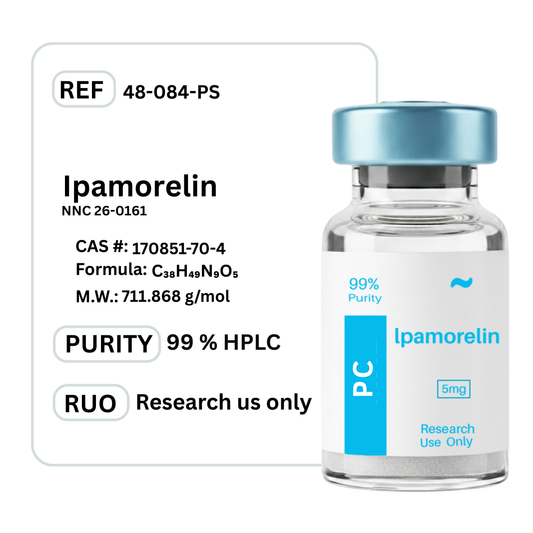
United States: Not controlled substances Legal to possess for "research purposes" Technically illegal for human consumption Legal to sell "for research only" Not FDA-approved for performance enhancement Reality: Research peptide companies sell openly online Payment processors accept transactions Customers rarely prosecuted for personal use Gray market more than black market Other countries: Similar gray area status in most Western nations Generally less restricted than steroids Some peptides prescription-only in some countries How people acquire them: Research peptide companies online (most common) Peptide clinics (some offer legitimate prescriptions) Compound pharmacies (prescription required) International suppliers (customs risk) Quality concerns: Legitimate research suppliers provide testing (CoAs) Quality varies by supplier Third-party testing available Generally better quality control than steroid UGLs Still need to vet suppliers carefully Head-to-head accessibility Legal risk: Steroids: High (controlled substances) Peptides: Low-moderate (gray area) Ease of acquisition: Steroids: Difficult legally, risky illegally Peptides: Relatively easy from research suppliers Quality assurance: Steroids: Poor (no oversight of UGLs) Peptides: Better (third-party testing available) Cost: Steroids: Moderate ($200-500/cycle for test) Peptides: Moderate-high ($150-400/month for GH peptides) Peptides occupy a more accessible legal space and generally offer better quality assurance through legitimate research suppliers